Xbox CEO Asha Sharma marked the anniversary with a company-wide memo that confirms a fifth generation of Xbox hardware is on the way, honors 111 people who have been there for all 25 years, and lays out a big, bold idea for the next 25: tiny teams making games that today take hundreds of developers.
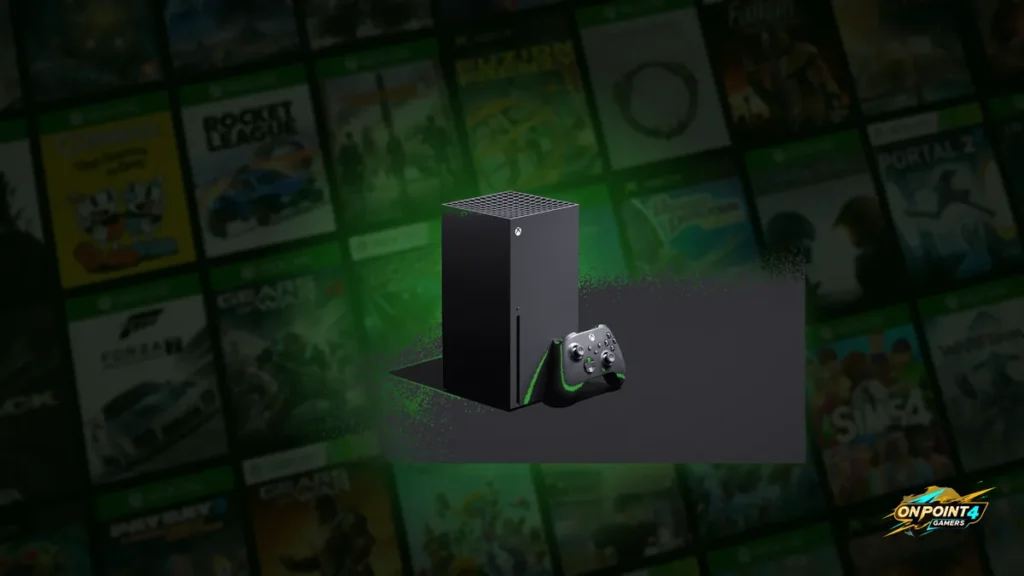
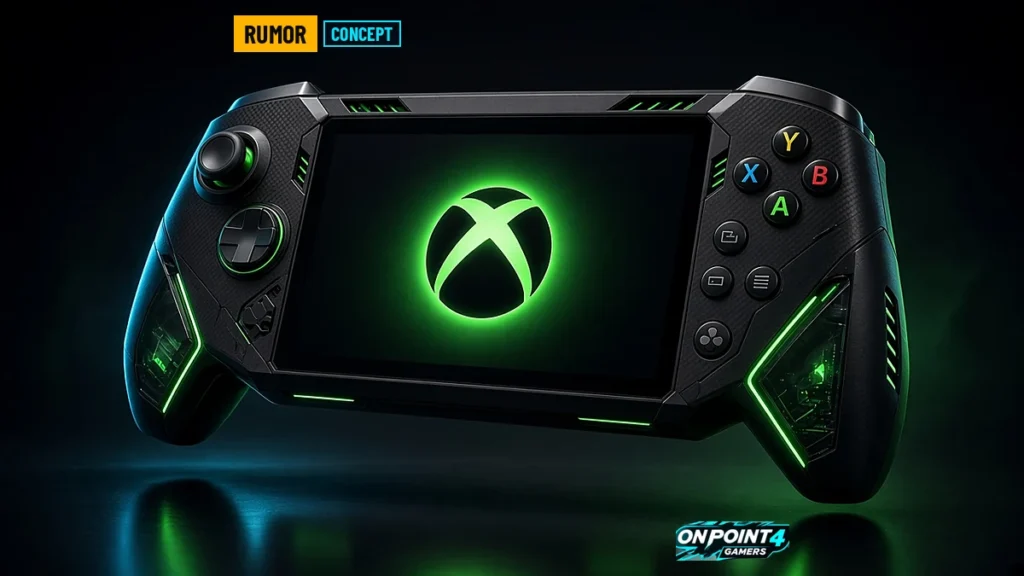
Xbox is 25, and Asha Sharma just used the birthday to say the quiet part about hardware out loud. In a memo sent to Team Xbox employees around the world and published in full on Xbox Wire this morning, the Xbox CEO wrote: “We’ve built four generations of XBOX consoles, with a fifth on the way.” That is the Xbox CEO, in writing, on the anniversary, telling the whole company and the whole internet that the next Xbox console is coming. For every fan who spent the last few years being told consoles were dead, that’s a gigantic W.
She posted the memo on X too. As of 10:35 AM ET, about 20 minutes after it went up, it had already cleared 3,700 likes.
, ASHA (@asha_shar) November 12, 2026
A history lesson with some swagger
Most of the memo is a love letter to where Xbox came from, and it does not play humble. Sharma traces Microsoft gaming back to 1979’s Microsoft Adventure, a text game adapted by Gordon Letwin, one of Microsoft’s first 13 employees, then Bruce Artwick’s flight sim on the IBM PC, then Minesweeper, Age of Empires and the DirectX team that came up with the idea of using PC architecture to power a console. That idea became the secret “Project Midway.”
Then she gets to 2001, and you can feel the pride. The original Xbox was “2-3x larger than rival consoles,” with “a giant X molded into a black enclosure and a bright alien green jewel at the center.” It shipped with a hard drive when everyone else wanted you to buy memory cards, and an Ethernet jack “when 9 in 10 households still used dial-up.” It had more than twice the processing power of the PlayStation and GameCube and pioneered dual analog controllers. A year later, Xbox Live brought persistent friend lists and matchmaking. And Halo: Combat Evolved, in Sharma’s words, “not only defined XBOX but proved its first advertising campaign: ‘Games Will Never Be The Same.'”
That framing matters. Sharma is not apologizing for Xbox’s history or treating the brand like something to manage down. She’s leaning into the edge that made people fall for the big black box in the first place, and she’s tying it straight to the hardware line that’s coming next. Her own summary of the job ahead is “great games, unmistakable hardware,” and that second phrase is not something you write if consoles are an afterthought.
111 people who were there for all of it
The warmest part of the memo is about the people. Sharma thanked “the 111 people across XBOX and our studios who have been here for 25 years or more,” and said each of them “will receive a special engraved console to commemorate what you’ve helped build.” She also wrote about the stories she’s heard since joining: friendships that started over a session, people who met the person they married, parents sharing the games they grew up on with their kids, and people who are no longer here but whose hours of play still mean everything to the people who loved them. “Ultimately, this is why we exist,” she wrote.
She also gave the fans their flowers, saying they have “challenged us, cheered us on, held us accountable, and stuck with us.” The celebration, which has been running with fans around the world and special launches, is now “bringing the celebration home to Seattle.”
The next 25, and the line everybody is going to argue about
Here’s where the memo gets ambitious, and where the debate is going to start. Sharma uses Microsoft Flight Simulator as the measuring stick: the first one was “just 160 KB, with 2D graphics, 16 colors, and 20 total airports,” while the 2024 version draws on “more than 2.5 petabytes of data.” The problem, she argues, is that the cost, resources and risk of making games have grown just as fast. “As a result, too many ideas never become games, and too many games fall short of what their creators imagined,” she wrote. “We must change this.”
Then comes the big swing: “A single person will soon be able to wield capabilities that once required entire nations. A small team will be able to build worlds that today demand hundreds of developers and hundreds of millions of dollars.” Sharma doesn’t name the technology she means, and she does not mention AI. The memo leaves that door open, but it does not say what tools she has in mind.
What's the most exciting part of Asha's 25th memo?
Vote and see what other Xbox fans think.
Like having a say? Get OnPoint Weekly or argue it out on Discord.
Here’s our read. The goal she’s describing is exactly what Xbox fans should want: more games getting made, more risky ideas surviving, and big studios chasing projects that make Flight Simulator 2024 look small. Ballooning budgets and six-year dev cycles are the single biggest thing killing creativity in AAA right now, and an Xbox CEO naming that problem on the anniversary is a lot more interesting than a generic thank-you card. Her closing idea, that “the future of gaming will look more like its beginning, when a small team with a big idea could change how the world plays,” is a callback to the DirectX crew that dreamed up the first Xbox. The proof will be in the games, and Xbox has to show that whatever tools it’s leaning on make those games better, not just cheaper. But the vision is a confident one, and confidence is exactly what this brand needed on its 25th birthday.
Bigger than ever, and still building
Sharma also put the scale of Xbox today in plain numbers: “our games reach more than a billion players every year,” across franchises including Call of Duty, Candy Crush, Diablo, Doom, Fable, Fallout, Forza, Gears of War, Halo, Minecraft, Overwatch, Sea of Thieves, The Elder Scrolls, StarCraft, Warcraft and Wolfenstein. Pair that reach with a fifth console officially “on the way,” and the message from the top is clear: Xbox is not winding down its hardware story at 25. It’s gearing up for the next chapter. “Happy Birthday XBOX!” she signed off. Happy birthday indeed.
Image: Xbox Wire / Microsoft