The original Xbox was supposed to end careers. Twenty-five years later, the brand that survived a hard drive fight, Halo, Red Rings, a catastrophic One launch, and a multiplatform identity crisis is trying to come home. Here is the story, with the people who lived it.
Feature · 25 Years of Xbox
Twenty-five years ago today, Microsoft shoved a black and green brick into the living room and dared the console world to laugh. Some people inside the company already had a nickname for the project. They called it the coffin box. The joke was that it would bury the careers of everyone who touched it.
It did not bury them. It buried the idea that Xbox was a side quest.
OnPoint has spent years covering this platform like it matters, because it does. The 25th anniversary is not a press release with a cake emoji. It is a chance to tell the truth about where Xbox started, what it risked, where it lost the plot, and why the next chapter under Asha Sharma feels like the first honest attempt in a long time to put the core fans back at the center of the story. The people who built Xbox already said a lot of this out loud, in interviews and memos that still hold up. Those voices belong in the story.
The plane ride that became a platform
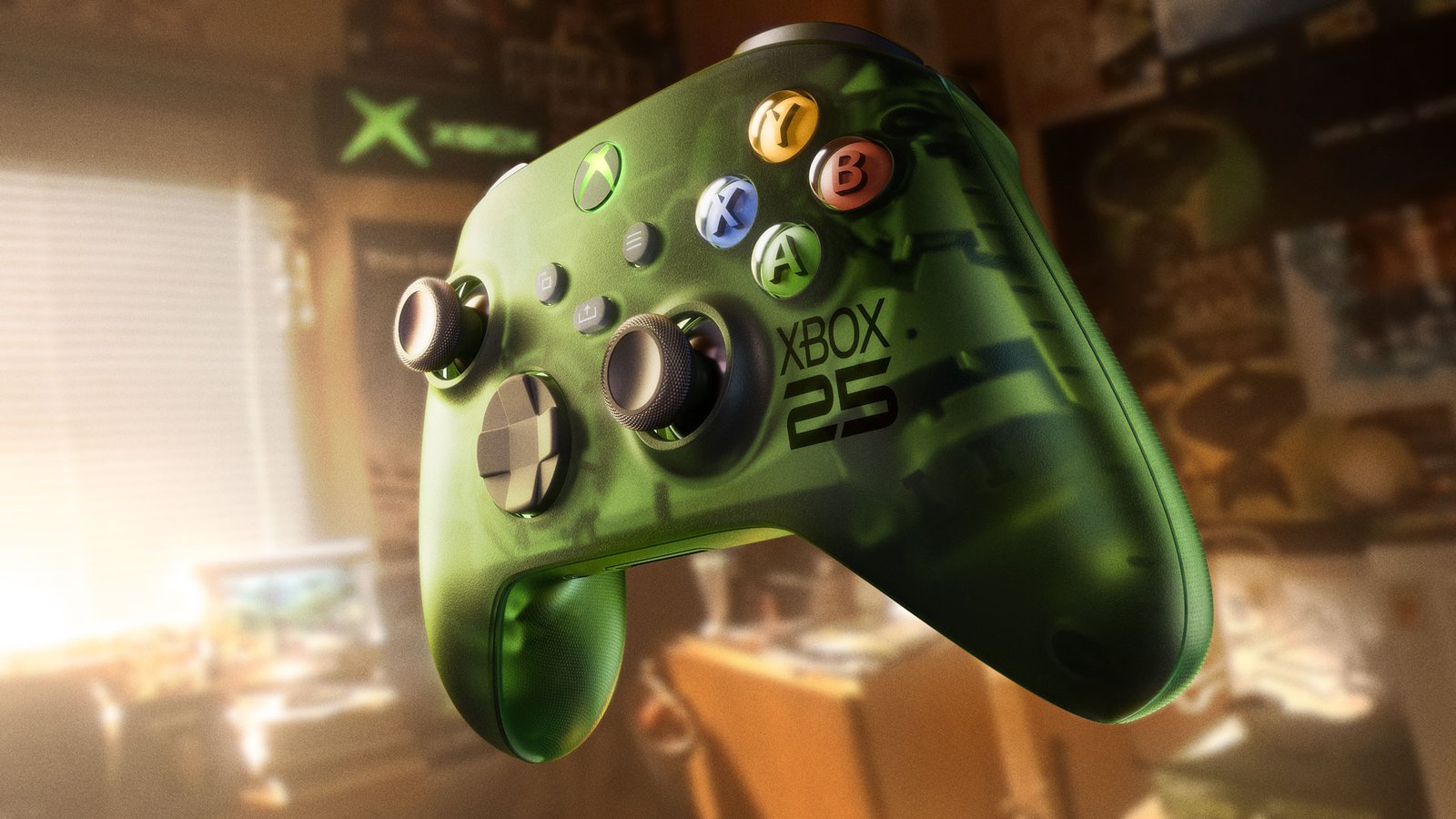
Every great Xbox story starts with somebody being unreasonable.
Seamus Blackley was a physicist who ended up at Microsoft working on DirectX after a famously troubled game called Trespasser. In our 2024 sit-down on the OnPoint 4 Gamers channel (written up on the site ahead of the anniversary), he told the origin the way only someone who lived it can. Looking at a roadmap of 3D cards, he saw the chaos of PC gaming for what it was: every machine different, every optimization a nightmare, console games always looking better because they could target one piece of hardware.
Then came the flight.
On a plane ride back from visiting my girlfriend in Boston, I had this idea: maybe we just make a specification for a device. It's a game device, like for DirectX, right? And this became the DirectX Box and then became Xbox.
Seamus Blackley, OnPoint interview
Clip from our OnPoint interview with Seamus Blackley. Muted until you click. Watch the full sit-down on YouTube.
That is the edgy energy in one sentence. Do not wait for permission. Build the box you wish existed.
Blackley also said the quiet part out loud about the culture that made Xbox possible: "If you don't like the platforms and options available to you for playing games, go make a damn platform. I mean, what's stopping you?"
Clip from our OnPoint interview with Seamus Blackley. Muted until you click. Watch the full sit-down on YouTube.
Inside Microsoft, plenty of people wanted to stop him. He fought to keep a hard drive in the machine. He fought to keep a LAN port on the back. Those were not nice-to-haves. They were the seeds of Xbox Live, downloads, and the always-connected life Xbox players eventually took for granted.
You got to remember I was doing this in an environment where people didn't want there to be any box. I had a huge fight to keep the hard drive in, a huge fight to keep the LAN connection on the back.
Seamus Blackley, OnPoint interview
Clip from our OnPoint interview with Seamus Blackley. Muted until you click. Watch the full sit-down on YouTube.
People internally called it coffin box. It's the end of your career. But I'm not sure anybody was acting in bad faith. Everyone was terrified.
Seamus Blackley, OnPoint interview
Clip from our OnPoint interview with Seamus Blackley. Muted until you click. Watch the full sit-down on YouTube.
Terrified is the right word. Pitching a console inside the most profitable software company on Earth meant telling Bill Gates and Steve Ballmer you planned to lose billions before you made a dollar. Blackley remembered sitting next to the head of Office, then the most profitable business "in the history of the human race," and explaining the $5 billion hole Xbox was about to dig. Uncomfortable does not cover it.
And yet they shipped. November 15, 2001. North America got a console with attitude, a controller people still argue about, and a green that almost did not exist. Blackley has told the marker story for years: concept artist Horace Luke had a fresh set of pens, blue and a few greens were left, and the team picked green figuring they would change it later.
We thought we'll change it later, but the fact is you're never going to change it later. The first decision you make in a lot of cases is the decision you've made.
Seamus Blackley, OnPoint interview
Clip from our OnPoint interview with Seamus Blackley. Muted until you click. Watch the full sit-down on YouTube.
Green stuck. So did the attitude.
Halo, Times Square, and the night it became real
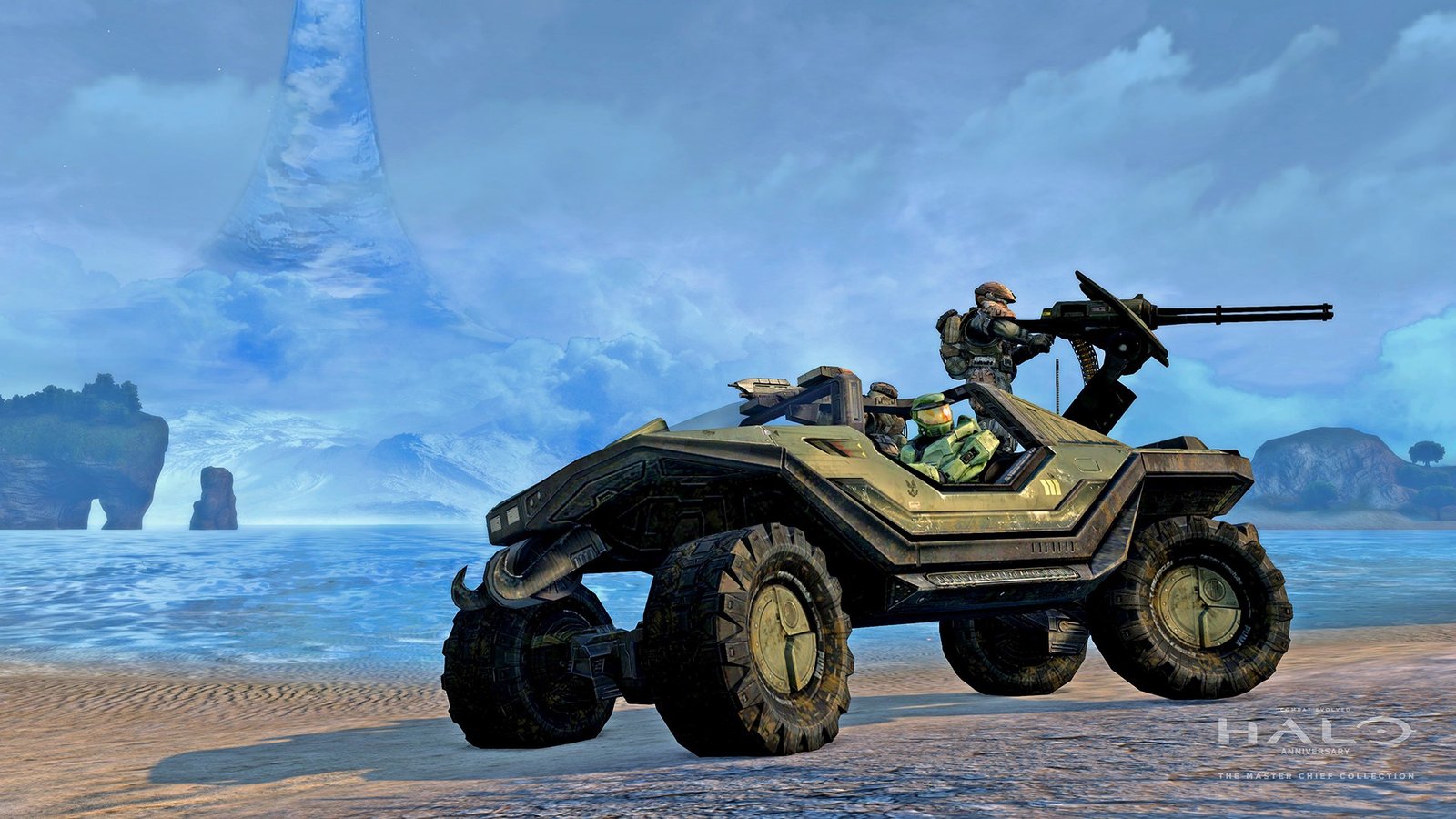
Official Halo Anniversary Trailer – plays muted until you click. Credit: HALO / Xbox.
Ed Fries was one of the earliest executives to bet his name on Xbox software. He had about two years to assemble a launch lineup. In an MCV interview looking back on the birth of Xbox, he called that stretch madness, and also one of the privileges of his life.
Before launch, Halo was not an obvious savior. Fries described the E3 before Xbox shipped, when games still ran on half-speed development kits and journalists piled on. Internally, though, the playtests in Redmond felt different.
But at the same time we're play-testing it in Redmond, and we think it's cool, in fact we think it's really cool. We threw our marketing money behind it, and the game single-handedly made the Xbox popular. Without Halo it would have been a completely different story, I think.
Ed Fries, MCV interview
Blackley is blunter on our channel: "Obviously, I mean, Halo. Xbox succeeded because of Halo. It saved our bacon."
Clip from our OnPoint interview with Seamus Blackley. Muted until you click. Watch the full sit-down on YouTube.
At the time nobody thought a shooter could ever work on a console, which seems crazy now. Of course it's totally untrue, and it was a beautiful game, a beautiful shooter on a console, and absolutely totally saved our bacon.
Seamus Blackley, OnPoint interview
Clip from our OnPoint interview with Seamus Blackley. Muted until you click. Watch the full sit-down on YouTube.
By April 2002, Microsoft said Halo: Combat Evolved had passed one million copies in the U.S. and Canada faster than any game on that console generation. The coffin box had a franchise.
At a GamesBeat Xbox leaders reunion panel, Fries also talked about launch night in Times Square with Bill Gates, after months when nothing felt guaranteed: sketchy early Halo chatter, hardware stress, the shadow of 9/11 over the whole industry. Standing there as Gates handed out the first machines, he said it felt like the start of something big.
That is the beginning Xbox fans still chase. Not polish for polish's sake. Nerve. A platform that felt like it was picking a fight on purpose.
One year later to the day, on November 15, 2002, Xbox Live went online. The LAN port Blackley refused to kill stopped being a trivia answer and became the bloodstream of modern console gaming.
The 360 peak, and the billion-dollar apology
Gears of War: Ultimate Edition – Mad World Trailer. Plays muted until you click. Credit: XBOX ON / Xbox.
If the original Xbox was the dare, the Xbox 360 was the empire. Halo 3. Gears. The first real online generation at scale. For a stretch, Xbox owned the cultural center of console gaming in the West.
It also almost burned the brand down with three red lights.
Peter Moore, who ran Xbox through the 360 era, later walked through the Red Ring of Death decision with Edge, as reported by GamesRadar+. The repair plan came to $1.15 billion. He took that number to Steve Ballmer expecting to get his head taken off.
I presented to Steve Ballmer: 'This is going to cost us $1.15bn to fix this – to protect the brand, to protect our reputation, to keep this business going'.
Peter Moore, via GamesRadar+ / Edge
Steve didn't blink, and rightly so.
Peter Moore, via GamesRadar+ / Edge
Moore framed it as a statement of belief: if Microsoft truly wanted to lead in this industry, it had to eat the cost and make players forget the failure once their console came back. The stock barely moved. The brand survived because somebody treated player trust like an asset worth a ten-figure write-down.
That is the version of Xbox people fell in love with. Bold hardware. Bigger games. And when it broke, a company willing to look ridiculous on a balance sheet rather than leave fans holding a paperweight.
Where the damage started
Then came the generation that taught Xbox how fragile goodwill is.
The first deep cut was the Xbox One reveal under Don Mattrick in 2013. Always-online check-ins. Used-game friction. A messaging strategy that treated living-room TV ambitions like the headline and games like the undercard. Mattrick told people with no internet that Microsoft already had a product for them: the Xbox 360. Phil Spencer, then running Microsoft Studios, was in the supporting cast of that rollout, telling outlets the secondary market was "a design criteria" and that Xbox One would need some offline tolerance when service died. The specifics stayed mushy while the internet spent weeks doing Microsoft's messaging for it, badly.
By mid-June 2013, Mattrick published the reversal: no 24-hour connection requirement for disc games after setup, and trade-ins and lending back to normal. The U-turn was necessary. The bruise was permanent. A generation of players decided Xbox had forgotten who it was for. That scar belongs to the Mattrick-led One launch, not to the later Phil Spencer and Sarah Bond chapter.
Years later, under Spencer's broader leadership of Xbox and with Bond shaping the consumer side of the business, the damage took a different shape. Game Pass became the best deal in gaming, then a more complicated one as prices climbed and tiers multiplied. First-party games started showing up on PlayStation and Nintendo hardware. In a 2024 Verge interview, Spencer said Xbox was going to put some of its games on other platforms, framing it as a limited test rather than a full surrender. For a lot of core fans, it still landed like a surrender. If the biggest Xbox Studio games are available on the competitor's box, what exactly is the Xbox box for?
On the official Xbox podcast, Bond defended the multiplatform push as giving creators more ways to win and making games as big as possible. That is a coherent business argument. It is also how a console brand slowly teaches its own audience that the hardware is optional.
Spencer even admitted, in comments covered by Business Insider via Game File, that the industry had pushed monetization into places that can feel "manipulative," and that console makers were not doing a good enough job finding new players. Honesty is useful. It does not erase the stretch when Xbox messaging bounced between "this is an Xbox" everywhere and a living room machine that no longer felt like the center of the promise.
None of that means Game Pass was a mistake, or that Spencer's years were empty. Xbox Live to Game Pass is one of the great platform evolutions in gaming. Bethesda and Activision Blizzard under the tent changed the slate forever. The damage was layered: Mattrick's One launch betrayal first, then years of brand fog, price hikes that tested patience, and a multiplatform era under Spencer and Bond that made exclusives feel negotiable right when rivals were doubling down on identity.
Players noticed. They said so loudly enough that the next CEO's first public notes had to confront the frustration head-on.
Asha walks in and tells the truth
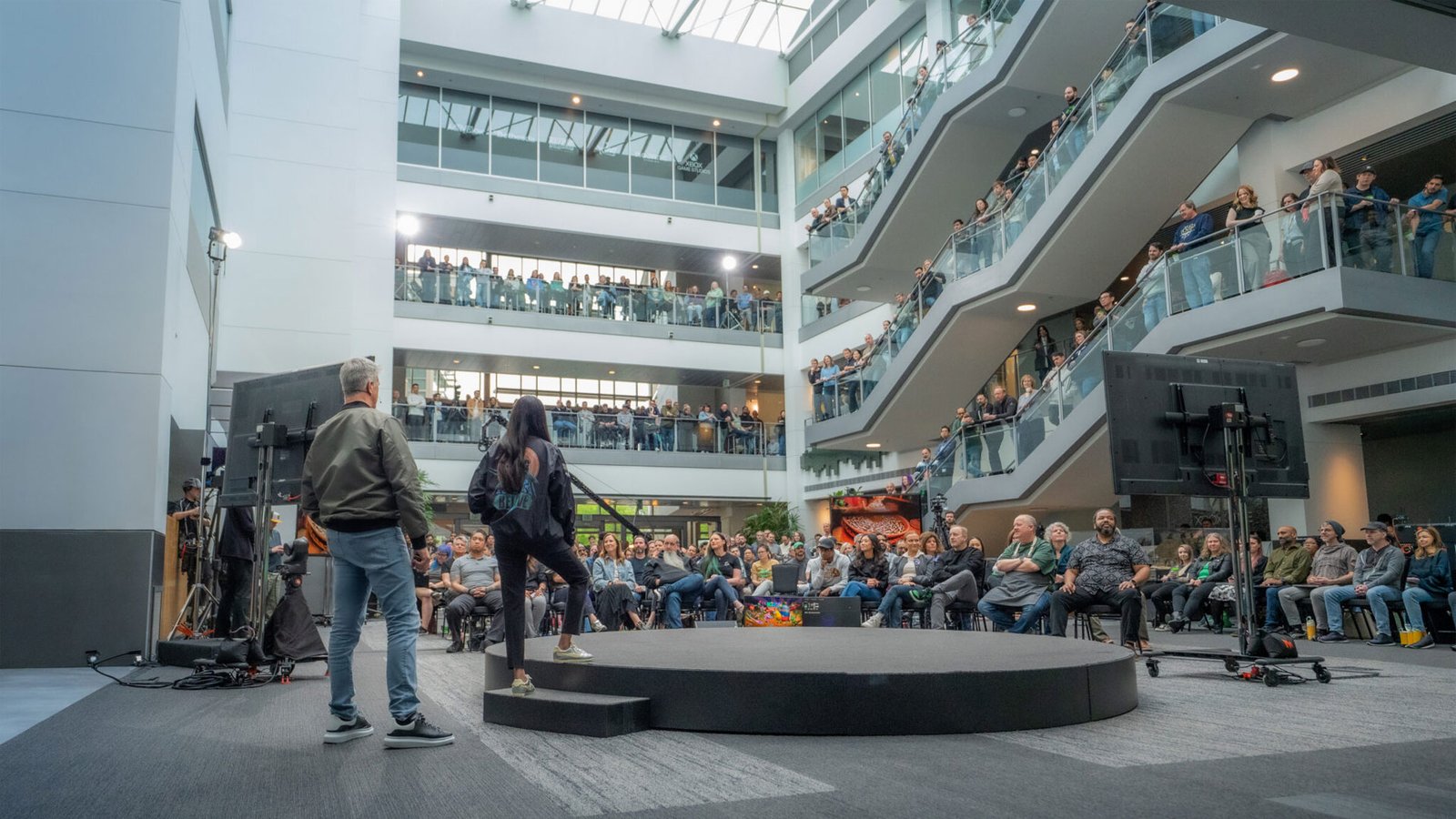
When Asha Sharma took over as Microsoft Gaming CEO in February 2026, her first memo, published in full by The Verge, did not pretend everything was fine.
She talked about humility and urgency. She thanked Phil. Then she drew a line: great games first, then "the return of Xbox," then the future of play. The sentence that still rings for this anniversary is the one about roots.
We will celebrate our roots with a renewed commitment to Xbox starting with console which has shaped who we are.
Asha Sharma, first CEO memo (The Verge)
She also refused the cheap version of nostalgia. Xbox would still expand across PC, mobile, and cloud. But console was named first on purpose. She said she wanted "the renegade spirit that built Xbox in the first place." That is Blackley's plane-ride energy in corporate stationery, and it matters that she wrote it down.
Two months later, Sharma and Matt Booty published the We Are XBOX memo on Xbox Wire. The opening gut punch was not subtle: "Players are frustrated." They listed the boring failures fans already felt: fewer console feature drops, a PC presence that was not strong enough, pricing that was getting harder to keep up with, discovery and social features that still felt fragmented.
Then they killed the soft branding. "Microsoft Gaming" described a structure. It did not describe the ambition. The team name went back to what the fans never stopped saying.
We are XBOX.
Asha Sharma & Matt Booty, We Are XBOX memo
The ten principles read like a repair manual for a brand that got lost in strategy decks. Stay rebellious. Signal over ceremony. Core before more. Makers over managers. Clarity is kindness. You can feel the argument under the slogans: stop performing transformation, start acting like a challenger again.
Hardware priority number two in that memo is the future this anniversary is really about: "Deliver Project Helix to lead in performance and play your console and PC games."
That is not a rumor. That is Xbox leadership putting the next box in writing. On November 12, in a company-wide anniversary memo published on Xbox Wire, Sharma put it even more plainly: Xbox has built four generations of consoles, "with a fifth on the way." She did not name Project Helix in that memo. She did put a fifth console on the record.
The next fight is Helix, and it should feel like a family again

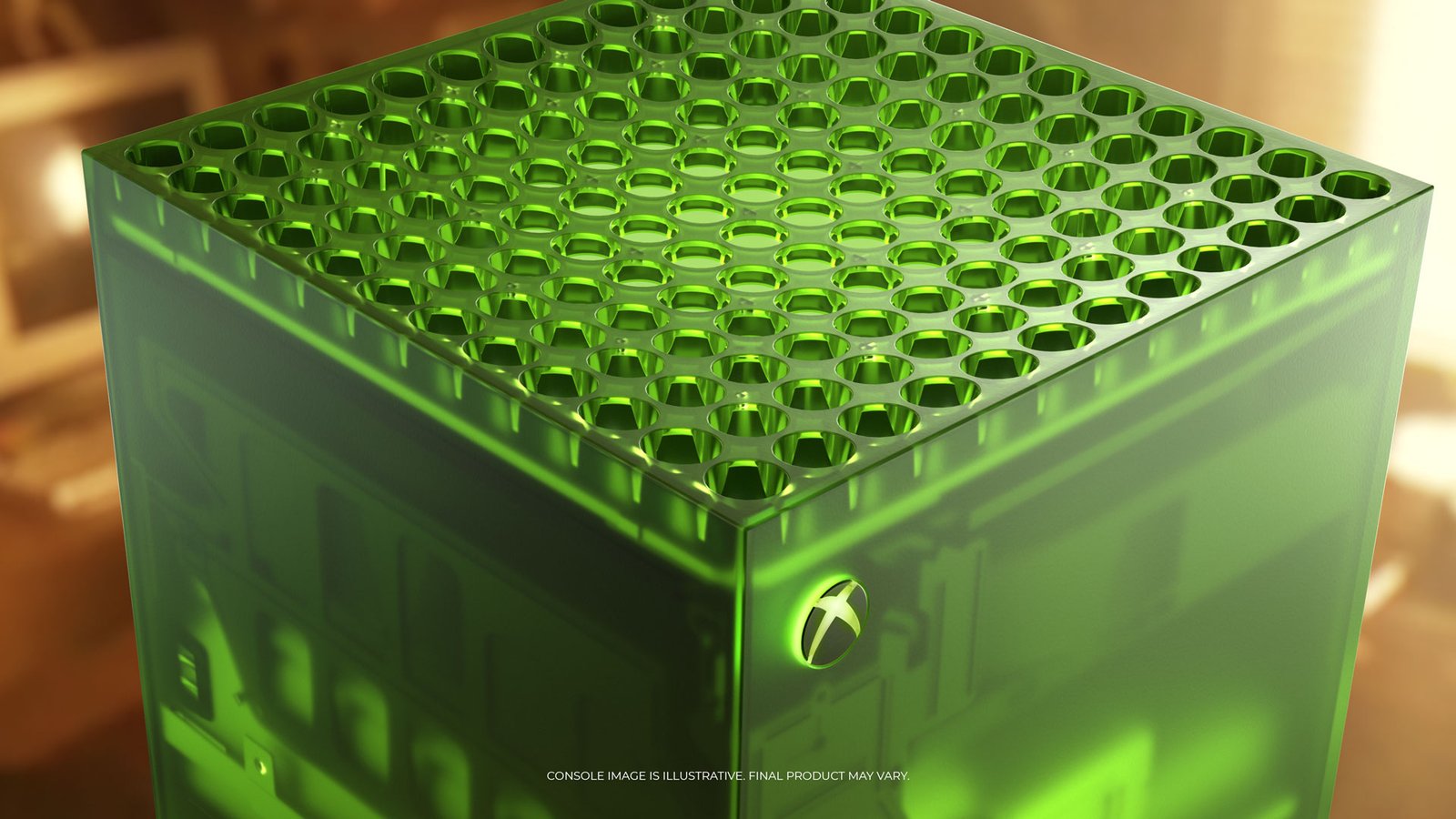
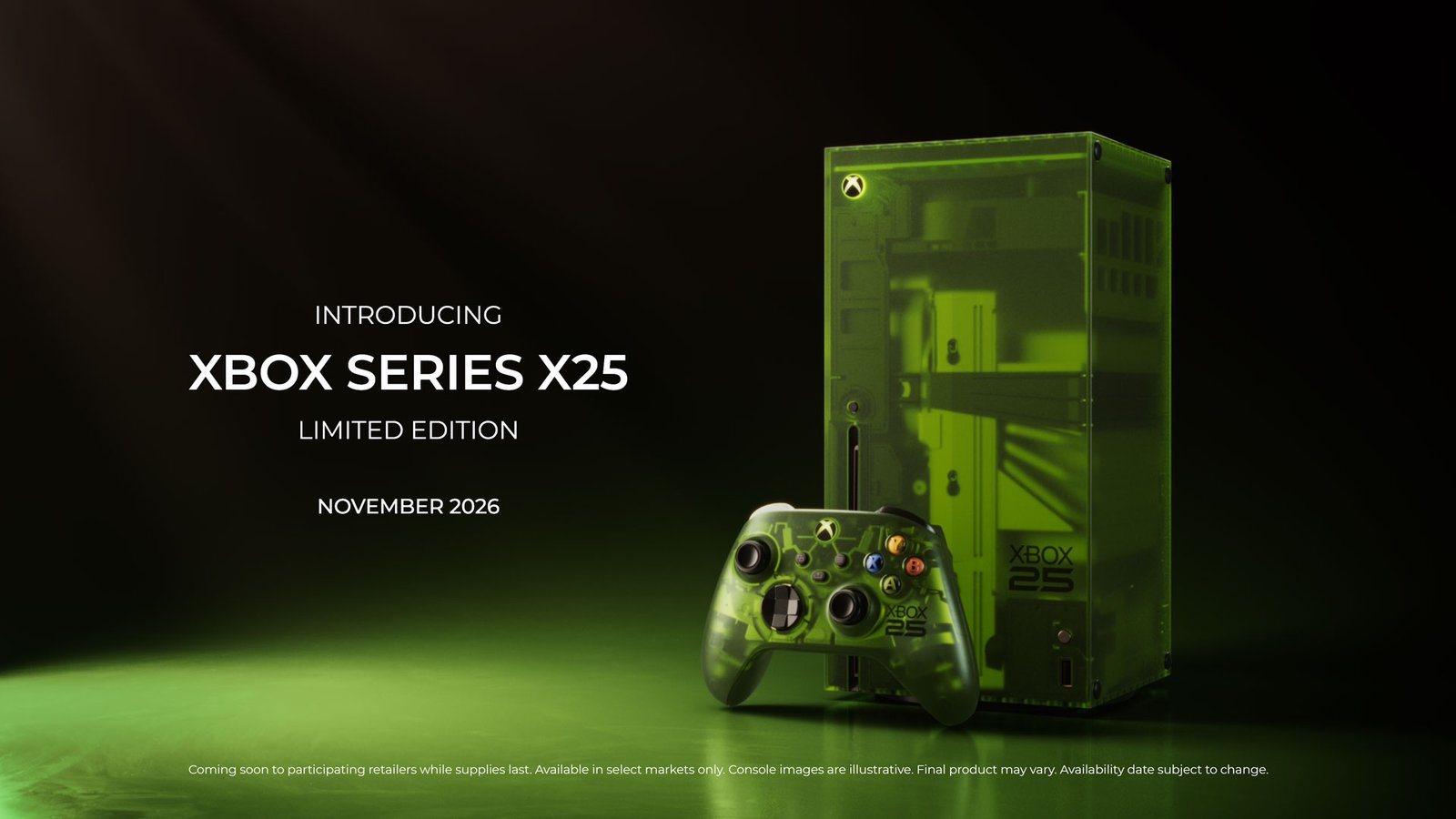
Project Helix is the cleanest symbol of the return. In his March 11, 2026 Xbox Wire post from GDC, Jason Ronald wrote that the team is deep in development on the next-generation console, that Project Helix is powered by a custom AMD SoC and designed to play your Xbox console and PC games, and that Xbox plans to ship alpha versions of the hardware to developers beginning in 2027. Exact consumer timing still lives in the rumor mill. What is not a rumor is the intent, or the fact of a fifth generation: a performance-first Xbox that also plays your PC games, with console still named as the foundation. Sharma’s anniversary memo now says that fifth console is "on the way."
The hopeful part, the part worth getting loud about on a 25th birthday, is bigger than one SKU.
Look at what Sharma and Booty actually prioritized in We Are XBOX: stabilize the current generation, deliver Helix, lead in comfortable high-performance accessories, and build an ecosystem that expands choice and reach. Cloud that feels native. A platform identity that travels with you. Read that list as the outline of a family, not a single anniversary toy. Console stays at the center. Accessories have to feel like Xbox again. PC and cloud become real citizens, not afterthoughts. Helix sits at the performance tip of a wider play-anywhere stack that still knows what the word Xbox means when you say it out loud.
OnPoint's own take has been consistent since we published Core Before More: if "core before more" is real, the first honest look at Helix belongs with the fans who stuck around for 25 years, not only with the biggest awards stage in December. Whether Xbox listens is their call. The standard is now public.
Blackley, talking on our channel about why console pricing is a responsibility, put the moral weight where it belongs: on the company, not the fan working extra shifts to buy the box.
It's our job to eat a bunch of profit. Because we're asking a guy who's working extra shifts at UPS to shell out four, 500 bucks for this console, which is like the biggest purchase they're going to make all year long or for two years. We better make it great.
Seamus Blackley, OnPoint interview
Clip from our OnPoint interview with Seamus Blackley. Muted until you click. Watch the full sit-down on YouTube.
If you try to screw somebody over to make a quick buck, you're betraying the entire ecosystem every time.
Seamus Blackley, OnPoint interview
Clip from our OnPoint interview with Seamus Blackley. Muted until you click. Watch the full sit-down on YouTube.
That is the through-line from coffin box to Helix. Xbox was never supposed to be the safe choice. It was supposed to be the choice that felt alive. The hard drive fight. The Live bet. The billion-dollar Red Ring fix. The Halo swing when shooters "could not work" on consoles. Those were not spreadsheets. They were declarations.
The Mattrick launch scar and the later Spencer-Bond identity fog proved a platform can win the business conversation and still lose the living room plot. Asha's early memos sound like someone who read both the frustration and the opportunity and decided the brand had to come home. Great games. Console first in the sentence. Helix as the performance promise. A brand name that is allowed to mean Xbox again.
Twenty-five years in, the fans who bought the original green-and-black beast, who lived through Red Rings, who argued through the One, who kept Game Pass alive through the weird years, are still here. They are the reason this anniversary is worth doing loudly.
Xbox did not survive because it was careful. It survived because stubborn people built a platform they wanted to play on, then defended it when it broke.
Helix is the next time that spirit has to show up in silicon. If Xbox brings the same nerve that put a LAN port on a coffin box, the next 25 years will not feel like a reboot. They will feel like a continuation.
Happy birthday, Xbox. Now go make the future loud enough for the people who got you here.