After a ban wave rattled Forza Horizon 6's livery scene, Playground Games laid out its rules: humans review every report, swimsuits aren't an automatic strike, 60 players were permanently banned, and clearer rules and better appeals are on the way.
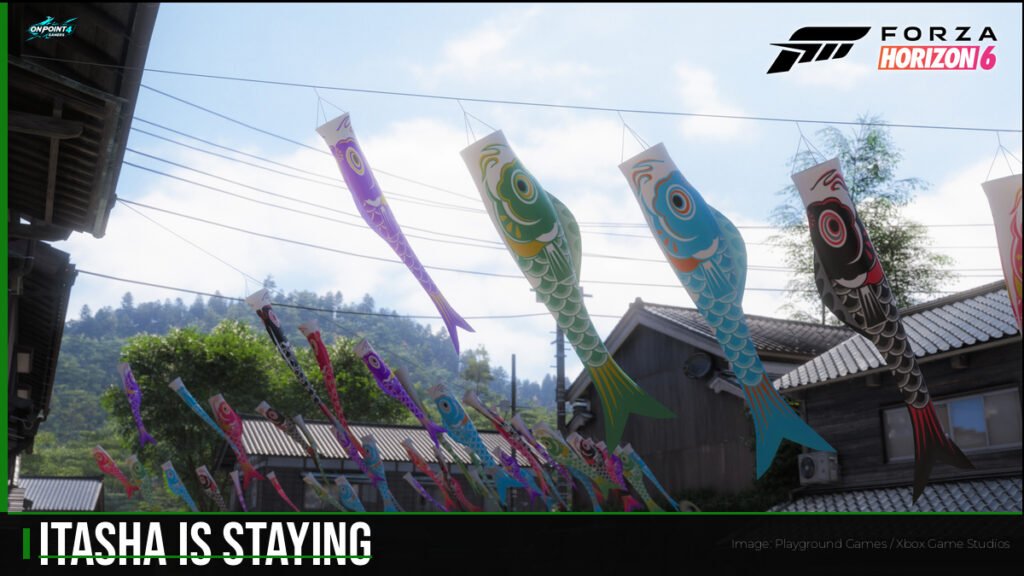
Itasha is staying in Forza Horizon 6. After weeks of creators getting liveries pulled and accounts hit, Playground Games published a long blog post on November 25 that finally spells out how livery moderation works, and the headline is simple: “Itasha is welcome in Forza Horizon 6.”
If you haven’t been following the drama, Itasha is the Japanese car culture of wrapping cars in big, loud anime character art, and with Forza Horizon 6 set in Japan, it was always going to explode in the game’s creative tools. It did. So did the bans. Some major Itasha creators got hit, the rules felt vague, and theories spread fast: that AI was auto-banning people, that rivals were mass-reporting designs to get them taken down, and that Itasha itself was on the chopping block.
Playground shot down all three. “When content is reported, a human moderator reviews it,” the studio wrote. “AI does not automatically remove designs or ban players, and the number of reports a design receives does not determine the outcome.” That last part matters a lot. If report counts don’t decide anything, brigading a creator you don’t like shouldn’t work.
Windows Central’s Jez Corden, who dug into the ban wave last month, flagged the response overnight and called the blog “a good start” on transparency.
The numbers behind the ban wave
Playground shared enforcement figures for all player-created content in the game, not only Itasha, from September 16 to October 15, 2026:
- 12.5 million pieces of player-created content made
- About 14,000 unique designs reported, roughly 0.1% of everything created
- 3% of those reported designs led to action for sexual content, affecting fewer than 500 players
- 250 players warned and 90 suspended
- 60 players permanently banned “for designs depicting full nudity or repeat violations”
Put those side by side and the picture changes. This wasn’t a purge of anime art. It was a small slice of reported content, with permanent bans reserved for full nudity or repeat offenders. Playground was careful to add that it isn’t using the stats “to minimize the impact felt by affected players,” and admitted that “even one incorrect decision matters to the creator who spent hours on a design.” That’s the right tone. A 60-player ban count means nothing to you if you’re one of the 60 and you think the call was wrong.
What actually crosses the line
This is the part creators have wanted for weeks. Explicit nudity, sexual acts and sexually explicit content are out, full stop. For everything else, Playground says moderators look at the whole design rather than one detail, and it gave real examples:
- Clothing: “Swimwear and revealing clothing aren’t inherently prohibited.” Exposure level and whether the design deliberately pushes sexual content are what count.
- Facial expressions: “An open mouth, protruded tongue, or flirtatious eyes by themselves aren’t automatically a violation.”
- Setting: A character in a swimsuit at the beach is treated differently from an explicitly sexual scene.
- Pose and framing: Gestures, body position and camera angles that suggest sexual activity or zoom in on intimate areas are a problem.
- Props: Objects and text can tip a design over. Playground’s examples are “toys, handcuffs, fluids, and so forth.”
- Young-looking characters: Characters who look like children “must never be shown in a suggestive or sexualized way, even if they are of adult age in the source material.”
That last rule is the one that will probably catch the most anime fans off guard, since “she’s actually 500 years old” is not going to save a design. Playground is applying one global standard aimed at its youngest players. The game is rated CERO B (ages 12+) in Japan but E for Everyone in North America, and the studio admits that creates real friction for an art form where “cultural context matters.”
There’s also a gotcha for anyone who thinks unpublished designs are safe. Private and unshared liveries still fall under the Forza Code of Conduct, because a design on your car can show up to other players through your Drivatar in single-player or multiplayer, even after you un-publish the file. If it’s on your car, treat it as public.
Did Playground get the Itasha rules right?
Vote and see what other Xbox fans think.
Like having a say? Get OnPoint Weekly or argue it out on Discord.
What changes now
Playground says it’s working on three fixes. It has started updating the Forza Code of Conduct with clearer guidance, including for Itasha. It’s updating in-game messages so creators can see why something was removed. And appeals, which players can still file, are reviewed by a different human moderator than the one who made the original call. Most violations follow a warning first, then suspensions, but sexually explicit or extreme content can still mean an immediate ban.
Our angle: this is how you handle a community fire
Credit where it’s due. Plenty of studios would have stayed quiet and let the ban wave blow over. Playground came out with hard numbers, specific examples, a clear answer on AI and report-bombing, and an honest “we know we need to improve” on the subjective calls. For a first-party Xbox studio, that’s the kind of transparency fans have been asking Microsoft for across the board, and as Corden points out in his piece, an Xbox ban can hit a lot more than one game.
The real test is the follow-through. A blog post is a promise. The updated Code of Conduct and the new in-game explanations are what will tell creators whether that swimsuit livery they spent hours on is safe before they hit publish, not after. Until then, the message for Itasha builders is clear enough: keep making them, keep them out of explicit territory, and if you get hit with something that looks wrong, appeal it, because a fresh set of human eyes will look at it.
Sources found below.